

Figuring out how many boxes to gather usually comes down to practical details. The size of your place, how much you own, and the shape or bulk of certain furniture all matter. A good starting point is to look through each room and list what’s going with you, noting anything that needs extra padding. It helps to keep a few spare boxes on hand so you’re not scrambling later. Use box styles that fit the job, sturdier ones for electronics or tools, dish packs for kitchen items, and taller boxes for clothing. With steady, organized planning and support from a quality moving company in Morgantown, WV, the packing process tends to stay on track.
Key Factors to Consider
When estimating the number of moving boxes required, it’s important to account for several factors, including your home’s size and the quantity of items you own. Start by considering the number of rooms in your current home, as this can give you a rough idea of how many boxes you’ll need. Don’t forget to think about your furniture; whether it’s bulky or whether you plan to disassemble it before the move. Personal items such as clothing, kitchenware, and decorative objects also need to be factored into your calculations. Additionally, take into account any special items like fragile or oversized possessions that may require specific types of boxes for safe packing and transport.
Estimating the Number of Boxes
After assessing your home and possessions, the next step is to estimate how many moving boxes you’ll need. Start by conducting a thorough inventory of all your items. Group them by size, fragility, and weight, and then decide which type and size of boxes will be necessary for each category. It’s also important to think about other packing supplies you’ll need, like packing tape, bubble wrap, and packing paper. As a general guideline, an average one-bedroom apartment may need around 10 small boxes, eight medium boxes, and five large boxes. Adjust this estimate according to your own needs and belongings. It’s always a good idea to have a few extra boxes on hand to avoid running out during the packing process, so be sure to add a buffer to your initial estimate.
Room-by-Room Breakdown
Breaking down the packing requirements room by room can help you better estimate how many boxes you’ll need for each area of your home. Here’s a look at some common rooms:
- Kitchen: Fragile items like dishes and glassware should be packed with extra care, using dish packs or cushioned foam to prevent breakage.
- Living Room: Larger boxes are ideal for packing books, electronics, and decorations.
- Bedrooms: Wardrobe boxes are great for clothing, as they allow you to keep your clothes hanging and wrinkle-free during the move.
- Bathrooms: Smaller boxes work well for toiletries, towels, and bathroom essentials.
- Garage: Heavy-duty boxes are necessary for packing tools, equipment, and other bulky items.
By considering the contents of each room, you can estimate the exact number of boxes and types of boxes that will best suit your move.
Specialty Boxes for Safe Transport
For certain items, specialty boxes are essential to ensure safe and secure transportation. These boxes are designed to protect fragile and valuable items during the move:
- Dish Boxes: These boxes are equipped with dividers to keep dishes separated and cushioned, preventing them from breaking during the move.
- Electronics Boxes: Designed with extra padding and compartments, these boxes provide secure protection for fragile electronics like TVs, computers, and gaming consoles.
- Wardrobe Boxes: Tall boxes with built-in hanging rods allow you to transfer clothing directly from the closet to the box, keeping them wrinkle-free and well-organized during transit.
Using these specialty boxes is crucial for ensuring your belongings remain safe throughout the moving process.
Packing Tips for Efficiency
To make the packing process as efficient as possible, here are some tips to help you organize your items and protect your possessions:
- Organize by Category: Sorting your belongings by category will make packing and unpacking easier.
- Choose Sturdy Boxes: Use strong, durable boxes to prevent damage during transport.
- Secure Fragile Items: Wrap fragile items in bubble wrap or packing paper to provide extra protection.
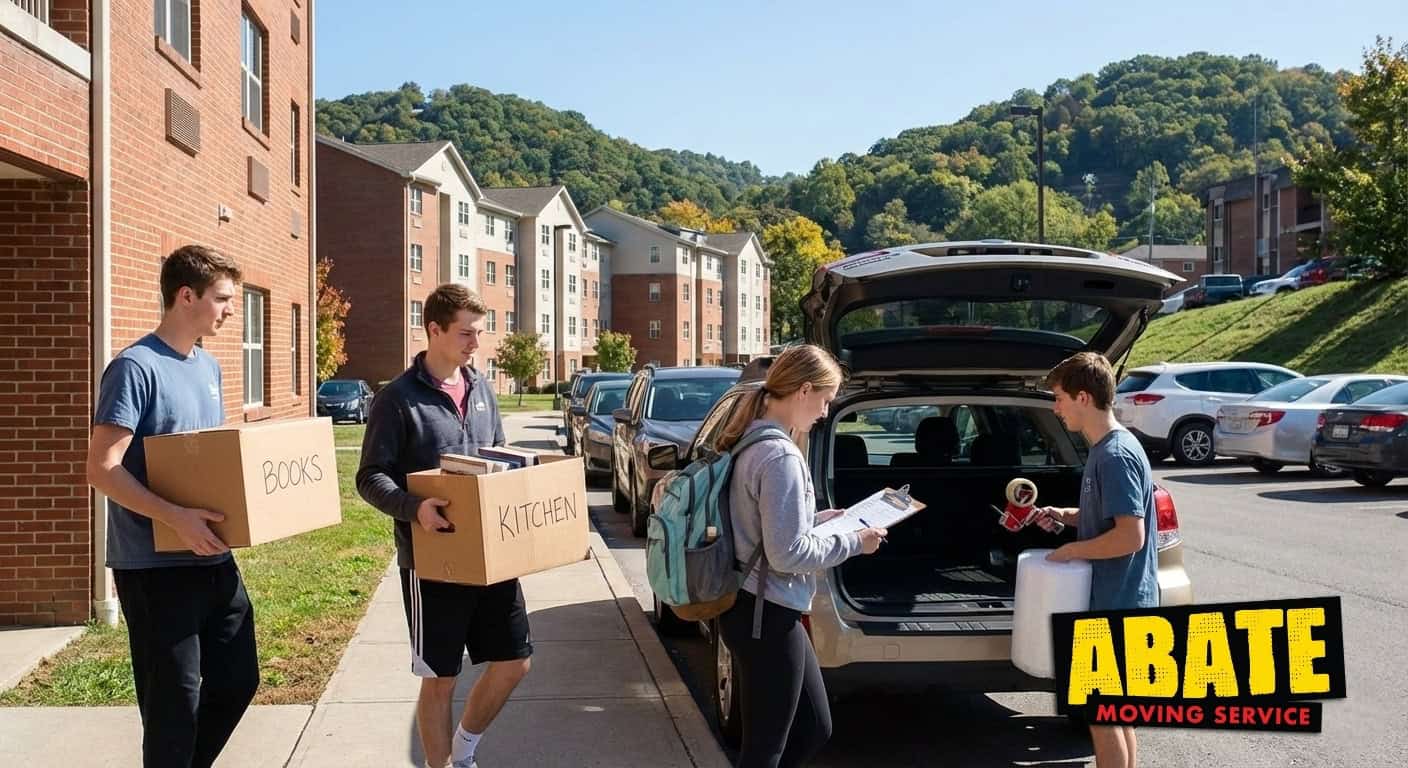
- Label Boxes: Clearly label each box with its contents and the room it belongs to. This will help you unpack faster and more efficiently.
- Pack Smart: Pack heavier items at the bottom of boxes and lighter items on top to maintain stability. Use towels, linens, or clothing as additional padding for delicate items.
- Seal Boxes Properly: Use high-quality packing tape to securely seal all boxes, ensuring that nothing shifts during the move.
Final Box Count Calculation
To arrive at an accurate final box count, follow these three steps:
- Inventory Check: Take inventory of all your belongings to get a clearer idea of the total volume you’ll need to pack.
- Room-by-Room Evaluation: Break down the inventory by each room in your home to determine how many boxes are necessary for each area.
- Box Size Consideration: Decide on the appropriate sizes of boxes (small, medium, or large) based on your inventory, ensuring all items fit securely.
By following these steps, you can confidently calculate the number of boxes required for your move and ensure that you’re fully prepared for a smooth and organized relocation.
Contact Us
We’re here to make your move as smooth and stress-free as possible. Whether you’re planning a local relocation in Morgantown or a long-distance journey, our team is ready to assist you every step of the way.
📍 Visit Us: 328 Generation Dr, Morgantown, WV 26505
📞 Call Us: +1 (304) 247-1154
📧 Email Us: info@abatesmoving.com
🕒 Business Hours:
Monday – Sunday: 7:00 AM – 7:00 PM
For a free quote or to learn more about our services, visit abatemoving.com.
We look forward to helping you with your next move!
Related Topics: