
Fragile items are often the part of a move that makes people slow down. Glassware, dishes, mirrors, artwork, lamps, electronics, collectibles, and family keepsakes all need more care than clothing, books, or bedding.
The good news is that most breakage can be prevented with the right materials, careful wrapping, and smart box placement. When breakable items are packed securely, moving day feels less stressful and unpacking becomes much easier.
Why Fragile Items Need Extra Planning
Fragile items usually break because they shift, rub together, or get pressure from other boxes. A box does not have to be dropped for something inside to crack.
That is why packing fragile items for moving should be handled with more care than general household packing.
Movement Is the Main Problem
Many people focus only on wrapping the outside of an item. Wrapping matters, but keeping items still inside the box matters just as much.
A glass can chip if it bumps another glass. A plate can crack if it sits flat under too much weight. A mirror can break if pressure hits the center. A good packing method reduces movement, cushions the item, and keeps pressure away from weak points.
Morgantown Moves Can Add Extra Handling
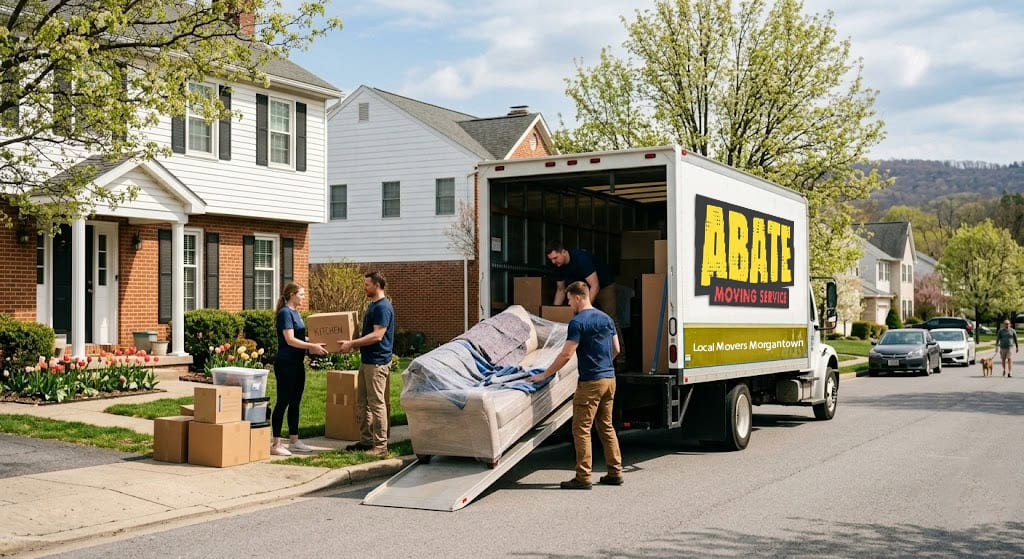
Morgantown homes and apartments can involve hills, stairs, tight parking, older buildings, and narrow walkways. These details can make loading and unloading more difficult.
If movers or helpers need to carry boxes farther than expected, your packing method needs to be strong enough to handle the extra movement.
Gather the Right Supplies Before You Start
Before you begin, place your supplies in one area. Stopping halfway through to find tape, paper, or another box often leads to rushed packing.
The best packing tips are simple: use sturdy boxes, cushion every side, and do not leave empty space inside the box.
Supplies Worth Having
For better protection, gather:
- sturdy small and medium boxes
- packing paper or clean newsprint
- bubble wrap
- dish boxes or divided boxes
- packing tape
- permanent markers
- cardboard sheets
- towels, blankets, or soft clothing
- labels or colored tape
Avoid weak, damp, or sagging boxes for breakable items. If the box is already bending before you fill it, it should not hold glassware, dishes, or electronics.
Use Smaller Boxes for Heavy Breakables
Dishes, mugs, glass pieces, and small appliances can get heavy quickly. Smaller boxes are easier to lift and less likely to fail at the bottom.
Large boxes are better for lighter fragile items such as lampshades, wrapped decor, or lightweight frames. This is one of the simplest fragile packing tips WV residents can use when moving through stairs, hills, or apartment buildings.
Add Cushioning First
Before placing anything inside, create a padded layer at the bottom of the box. Use crumpled paper, towels, bubble wrap, or soft clothing.
This bottom layer helps absorb movement when the box is carried, stacked, or set down during the move.
Quick Fragile-Item Packing Checklist
Before you start packing breakable items, make sure you have sturdy boxes, enough padding, strong tape, clear labels, and a clean workspace. Wrap each item separately, keep heavy pieces at the bottom, fill empty spaces, and mark each box clearly before loading.
How to Wrap Fragile Items Properly
Good wrapping protects each item from contact, pressure, and scratches. It also helps prevent chips and cracks during loading and transport.
These steps are especially helpful for kitchens, dining rooms, display shelves, and home offices.
Wrap Items One at a Time
Do not stack bare glass, ceramic, or porcelain pieces together. Each piece should have its own layer of protection.
A simple process works well:
- Place the item on packing paper.
- Wrap it fully on all sides.
- Add extra padding around corners, handles, stems, and edges.
- Place heavier items near the bottom of the box.
- Fill all gaps before closing the box.
Handles, spouts, stems, and corners usually need extra care because they are often the first parts to break.
Fill Empty Spaces
After placing items inside, check for gaps. If the contents move when you gently shift the box, add more padding.
Use crumpled paper, socks, towels, dishcloths, T-shirts, or bubble wrap. A box should feel full but not forced shut. Too much pressure can damage fragile items before the move even starts.
Keep Similar Items Together
Pack dishes with dishes, glasses with glasses, and decor with decor. Mixing heavy and delicate items often creates problems.
For example, do not pack a ceramic bowl with loose kitchen tools. The tools can shift and chip the bowl during transport. These basic packing tips can prevent avoidable damage.
How to Pack Glassware for Moving
Glassware is one of the easiest categories to damage because it often has thin rims, handles, stems, or curved surfaces. A loose box of glasses is risky, even for a short move.
Learning how to pack glassware the right way can help protect everyday cups, wine glasses, mugs, and special pieces.
Support the Inside First
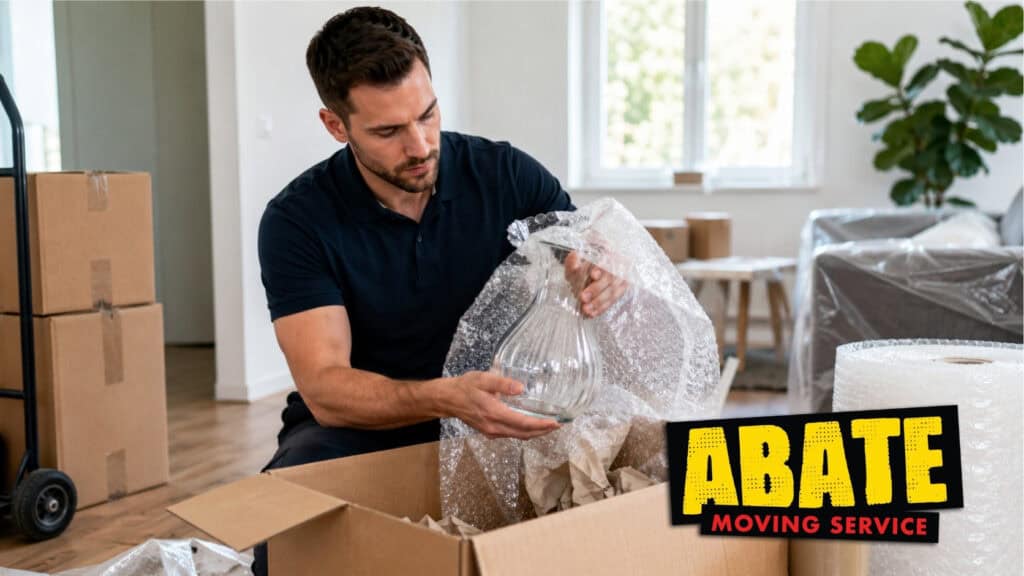
When you pack glassware for moving, start by placing a small amount of paper inside each cup or glass. This helps support the shape from the inside.
Then wrap the outside with packing paper or bubble wrap. For mugs, add extra padding around the handle. For stemware, wrap the stem first, then wrap the bowl and base.
Use Dividers When Available
Divided boxes are helpful when packing glassware because each piece gets its own space. If you do not have dividers, create separation with paper, towels, or cardboard pieces.
No glass should touch another glass directly.
Pack Glasses Upright
Glassware is usually safer when packed upright instead of lying on its side. Place heavier glasses at the bottom and lighter pieces above them.
Do not force too many pieces into one box. If the box feels tight, remove a few items and add padding instead. This is one of the most reliable packing tips for preventing chips and pressure cracks.
Label Glassware Clearly
Write “FRAGILE – GLASSWARE” on the top and at least two sides of the box. Also mark which side should stay upright.
Clear labels help movers, friends, or family handle the box with more care during loading and unloading.
How to Pack Plates, Bowls, and Dishes
Dishes may feel sturdy in daily use, but they can chip or crack during a move if they are packed flat, stacked too tightly, or placed under too much weight.
The best fragile packing method is to reduce pressure and protect each piece from direct contact.
Pack Plates Vertically
Plates are often safer when packed vertically, like records, instead of flat. This reduces pressure across the surface.
Wrap each plate separately, place it on its edge inside a padded box, and fill open space so the plates cannot shift.
Nest Bowls Carefully
Bowls can be nested, but they still need padding between each piece. Add paper, towels, or dishcloths between bowls so they do not rub together.
Avoid making one tall, heavy stack. Smaller bundles are easier to lift and easier to protect.
Keep the Box Weight Manageable
Dish boxes can get heavy fast. If the box is difficult to lift comfortably, it is too heavy.
One simple rule for Morgantown homeowners and renters: smaller boxes are safer for heavy breakables, especially when stairs or long carries are involved.
How to Pack Mirrors, Frames, and Artwork
Flat fragile items need a different method than dishes or glassware. Mirrors, frames, and artwork can break from pressure, corner damage, or poor placement in the truck.
When moving delicate items safely, protect the surface, edges, and corners before anything else.
Protect the Glass Surface
For framed glass, place painter’s tape in an X shape across the glass. This will not stop breakage, but it can help hold pieces together if cracking happens.
Then cover the front with paper, bubble wrap, or a cardboard sheet.
Protect Corners and Edges
Corners are usually the first part of a frame to get damaged. Use cardboard corner protectors if available, or fold cardboard around the edges and tape it in place.
For valuable artwork, antiques, or oversized pieces, professional packing help may be worth considering.
Keep Frames Upright
Frames and mirrors should be carried and stored upright when possible. Do not lay them flat under other items.
Mark the box with “DO NOT STACK” so nothing heavy is placed on top.
How to Pack Electronics and Small Appliances
Electronics are delicate in a different way. They may not shatter like glass, but they can be damaged by pressure, moisture, loose cords, or rough handling.
When moving delicate items, treat electronics as fragile items and pack them with enough support on all sides.
Take Photos Before Unplugging
Before disconnecting TVs, monitors, routers, speakers, or gaming systems, take a quick photo of the cords and connections.
This makes setup easier later and helps prevent missing cables.
Use Original Boxes When Possible
Original packaging is usually the best option because it was made to fit the item. If you do not have the original box, use a sturdy box with padding on the bottom, sides, and top.
Avoid placing electronics loose in open bins or laundry baskets.
Keep Cords and Accessories Together
Place cords, remotes, screws, and accessories in labeled bags. Tape the bag to the item or place everything in the same clearly marked box.
This is a simple way to keep delicate items safely organized during unpacking.
Common Fragile Packing Mistakes to Avoid
Most damage comes from small shortcuts. These shortcuts may save time during packing, but they often create problems during loading, transport, or unpacking.
Avoiding a few common mistakes can make moving delicate items safely much easier.
Using Weak Boxes
A soft, torn, or sagging box should not hold breakables. Even well-wrapped items can be damaged if the box fails.
Use weak boxes only for lightweight, non-breakable items.
Leaving Empty Space
Empty space lets items shift. Shifting creates impact inside the box.
After packing, gently move the box. If you hear movement, open it and add more padding.
Mixing Heavy and Fragile Items
Heavy items can crush lighter breakables. Keep dense items separate from fragile pieces whenever possible.
If you must combine items, place heavy items at the bottom and use strong padding before adding lighter pieces.
Forgetting to Label Boxes
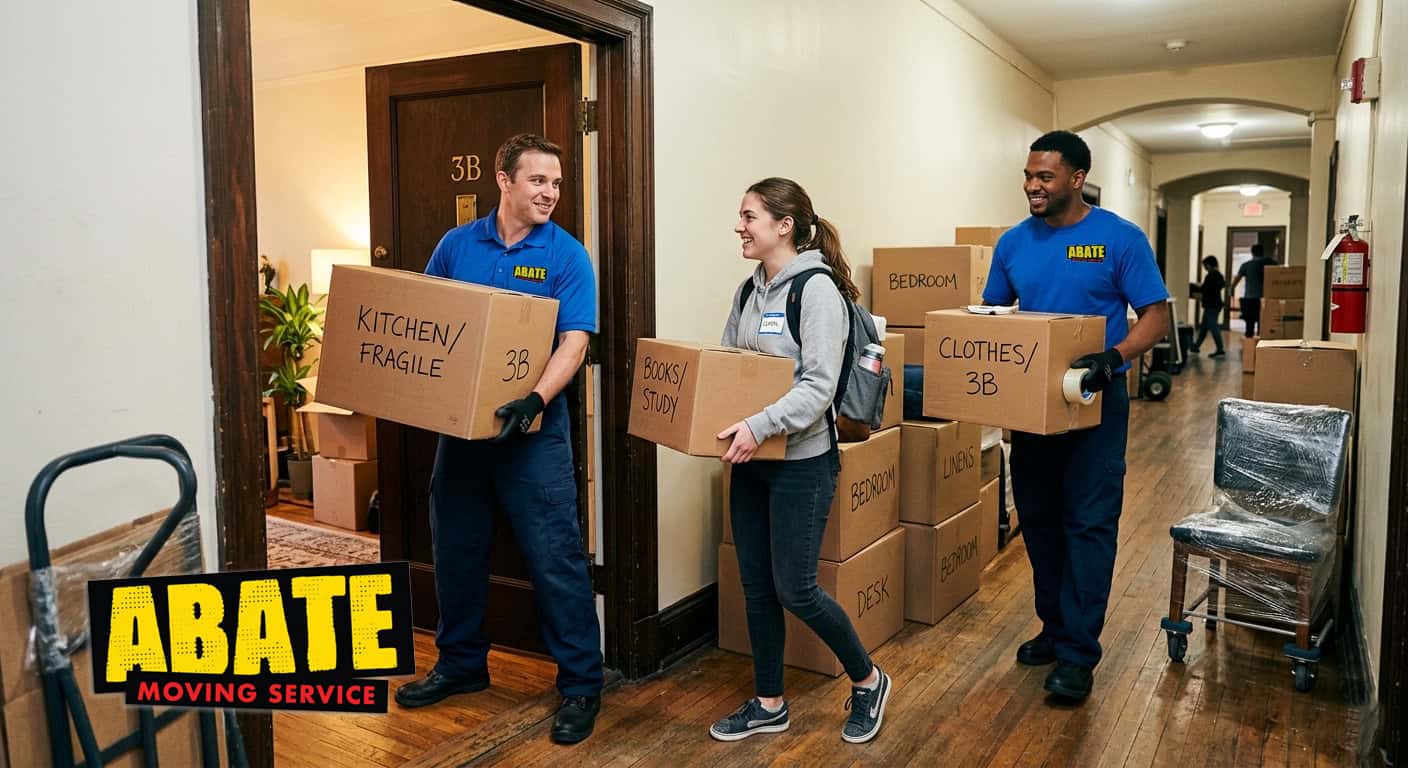
A fragile box without a label may be handled like any other box. Mark fragile boxes clearly and include the room where they belong.
Helpful labels include:
- FRAGILE – KITCHEN
- GLASSWARE – KEEP UPRIGHT
- MIRROR – DO NOT STACK
- ELECTRONICS – HANDLE WITH CARE
When Professional Packing Help Makes Sense
Many fragile items can be packed safely at home if you have enough time and supplies. But some situations call for extra help. For valuable or sentimental items, take photos before packing and keep a simple inventory. If an item is difficult to replace, ask your mover how it should be packed, documented, and handled before moving day.
If you are hiring movers, reviewing basic moving consumer protections can help you understand what to ask before booking.
Professional help can be useful when items are valuable, oversized, awkward, or difficult to replace.
Consider Help for Specialty Items
Packing help may be worth considering for:
- large mirrors
- framed artwork
- antiques
- china cabinets
- collectibles
- glass tabletops
- lamps
- electronics
- fragile keepsakes
These items may need stronger materials or a more careful packing method than standard boxes and paper. For smaller valuables, this guide on packing jewelry for moving without damage can help you keep delicate pieces organized and protected.
Consider Help When Time Is Limited
If your moving date is close and you still have a full kitchen, dining room, or display area to pack, getting help can reduce rushed mistakes.
This is especially helpful if your move includes stairs, tight access, or a longer drive. For interstate moves, reviewing your rights and responsibilities when you move can help you understand documents, coverage, and mover obligations.
If you are unsure what to pack yourself, call +1 304-949-8815 to ask about packing support and request a FREE quote. Getting advice early can help you decide what fits your timeline and budget.
How to Unpack Fragile Items Safely
Fragile-item care does not stop when the truck arrives. Unpacking too quickly can still lead to chips, cracks, or misplaced pieces.
Take your time with boxes marked fragile, especially in the kitchen, dining area, and living room.
Inspect Boxes Before Opening
Check fragile boxes for dents, crushed corners, or signs that items shifted during the move.
Open damaged boxes slowly and inspect the contents before moving on.
Unpack Over a Soft Surface
Use a towel-covered table, a blanket on the floor, or a padded countertop. This gives you a safer place to unwrap breakable items.
Avoid unwrapping glassware or dishes over a hard floor when possible.
Put Items Away as You Unwrap
Do not create piles of fragile items on counters or floors. Unwrap each item and place it where it belongs.
This keeps the space clear and lowers the chance of accidental damage.
Frequently Asked Questions
What is the best material for fragile packing?
Packing paper is a good general option because it protects items without leaving ink or residue. Bubble wrap works well for extra-sensitive items, corners, electronics, and thicker protection.
Should plates be packed flat or upright?
Plates are usually safer when packed upright on their edges. This helps reduce pressure across the surface and lowers the chance of cracking.
Can towels and clothing be used as packing material?
Yes. Towels, T-shirts, socks, and blankets can help protect fragile items. Just make sure the items are secure and cannot shift inside the box.
How do you know if a fragile box is packed correctly?
A properly packed fragile box should feel firm but not overstuffed. When you gently move it, you should not hear items shifting inside.
Where should fragile boxes go in the moving truck?
Fragile boxes should not be crushed under heavy items. They are usually best placed above heavier boxes or in a secure area where they cannot fall or slide.
Protect What Matters Before Moving Day
Fragile items often carry more than financial value. They may be tied to family memories, special events, or everyday routines you want to bring safely into your next home.
With the right materials, careful wrapping, clear labels, and a little extra time, your move can feel more organized and less stressful. If you need help packing glassware, artwork, electronics, or delicate household items, Abate Moving Services can help with packing and unpacking, local moves, long-distance moves, storage solutions, commercial relocations, and specialty item handling throughout Morgantown and nearby West Virginia communities.
Call +1 304-949-8815 today to request a FREE quote nd get help protecting the items that matter most before moving day arrives.